What Is Poured Concrete?
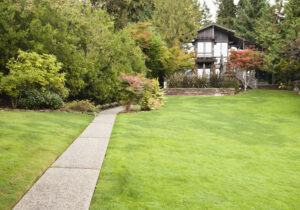
Poured concrete is exactly what it sounds like. A continuous slab is formed, reinforced with rebar or wire mesh, poured, and finished to create a smooth or textured surface. It is one of the most widely used materials for driveways, patios, sidewalks, and other flatwork because it is durable, relatively affordable, and can be finished in a variety of ways including brushed, stamped, exposed aggregate, or colored.
When properly installed with the right base preparation, adequate reinforcement, and control joints placed at the right intervals, a poured concrete slab can last thirty years or more with minimal maintenance. In a wet climate where freeze-thaw cycles and heavy rainfall are common, proper drainage and a well-compacted base are especially critical to long-term performance.
What Are Pavers?
Pavers are individual units, typically made from concrete, natural stone, clay brick, or porcelain, that are laid in a pattern over a compacted base of gravel and sand. Unlike a poured concrete slab, pavers do not form a single continuous surface. Each unit is independent, which is one of their key structural advantages.
Pavers come in an enormous range of shapes, sizes, colors, and textures, which gives homeowners far more design flexibility than poured concrete. A paver patio or driveway can be designed to complement the architecture of a home, match existing landscaping elements, or create a distinctive pattern that makes an outdoor space feel truly custom.
Cost Comparison
In most cases, poured concrete is the more affordable option upfront. The material and labor costs for a standard poured concrete driveway or patio are generally lower than for pavers, which require more time-intensive installation and typically cost more per square foot in materials.
However, the long-term cost picture is more nuanced. Concrete slabs, particularly in areas with significant moisture and temperature variation, are prone to cracking over time. While control joints are used to manage where cracking occurs, surface cracks in concrete can be difficult to repair invisibly and may require significant patching or full replacement of a section.
Pavers, on the other hand, can be individually removed and replaced if one unit cracks, settles, or becomes damaged. This makes long-term maintenance and repair much more practical and cost-effective. The ability to access utilities beneath a paver surface without destroying the entire installation is another practical advantage that many homeowners do not think about until they need to excavate for a plumbing or irrigation repair.
Durability and Performance
Both concrete and pavers are durable materials when properly installed, but they handle stress and movement differently. A concrete slab is rigid, which means it does not flex when the ground beneath it shifts. When the soil settles or expands, concrete tends to crack. In areas with clay soils, significant rainfall, or tree roots nearby, this is a real concern.
Pavers are inherently more flexible as a system because the individual units can shift slightly without cracking. If settling occurs beneath a paver installation, the affected units can often be lifted, the base re-leveled, and the pavers reinstated without any visible evidence of the repair. This is a meaningful advantage in regions where soil movement is a factor.
Appearance and Design Options
This is where pavers have a clear edge over standard poured concrete. While decorative concrete options like stamping, coloring, and exposed aggregate finishes have expanded significantly, pavers still offer a wider range of design possibilities and a more natural, high-end appearance that many homeowners and landscape designers prefer.
For a front entry, a patio adjacent to a custom deck, or any area where visual impact matters, pavers typically deliver a more polished and distinctive result. For a utilitarian side yard driveway or a basic backyard patio where budget is the primary driver, poured concrete may be the more practical choice.
Maintenance Requirements
Standard poured concrete requires relatively little maintenance beyond occasional cleaning and sealing every few years to protect against staining and moisture infiltration. Decorative concrete with stamping or color may require more frequent sealing to maintain its appearance over time.
Paver driveways and patios benefit from periodic joint sand replenishment, sealing, and cleaning to prevent weed growth in the joints and maintain the appearance of the surface. In wet climates where moss and algae growth are common, pavers may require more frequent cleaning than concrete to stay looking their best.
Which Should You Choose?
how much long-term maintenance you are comfortable with. If budget is the primary driver and the area is relatively low-visibility, poured concrete is a smart, reliable choice. If you want maximum design flexibility, a high-end appearance, and the long-term maintenance advantages of individual unit replacement, pavers are worth the additional upfront investment.
Pacific Northwest Construction Inc installs both poured concrete and paver systems for driveways, patios, walkways, and other outdoor flatwork. We are happy to walk you through the options for your specific project and provide a detailed estimate for both so you can make an informed decision. Contact us today for a free consultation.